Immunotherapy Breakthroughs in Melanoma Research: Progress, Challenges and Future Directions

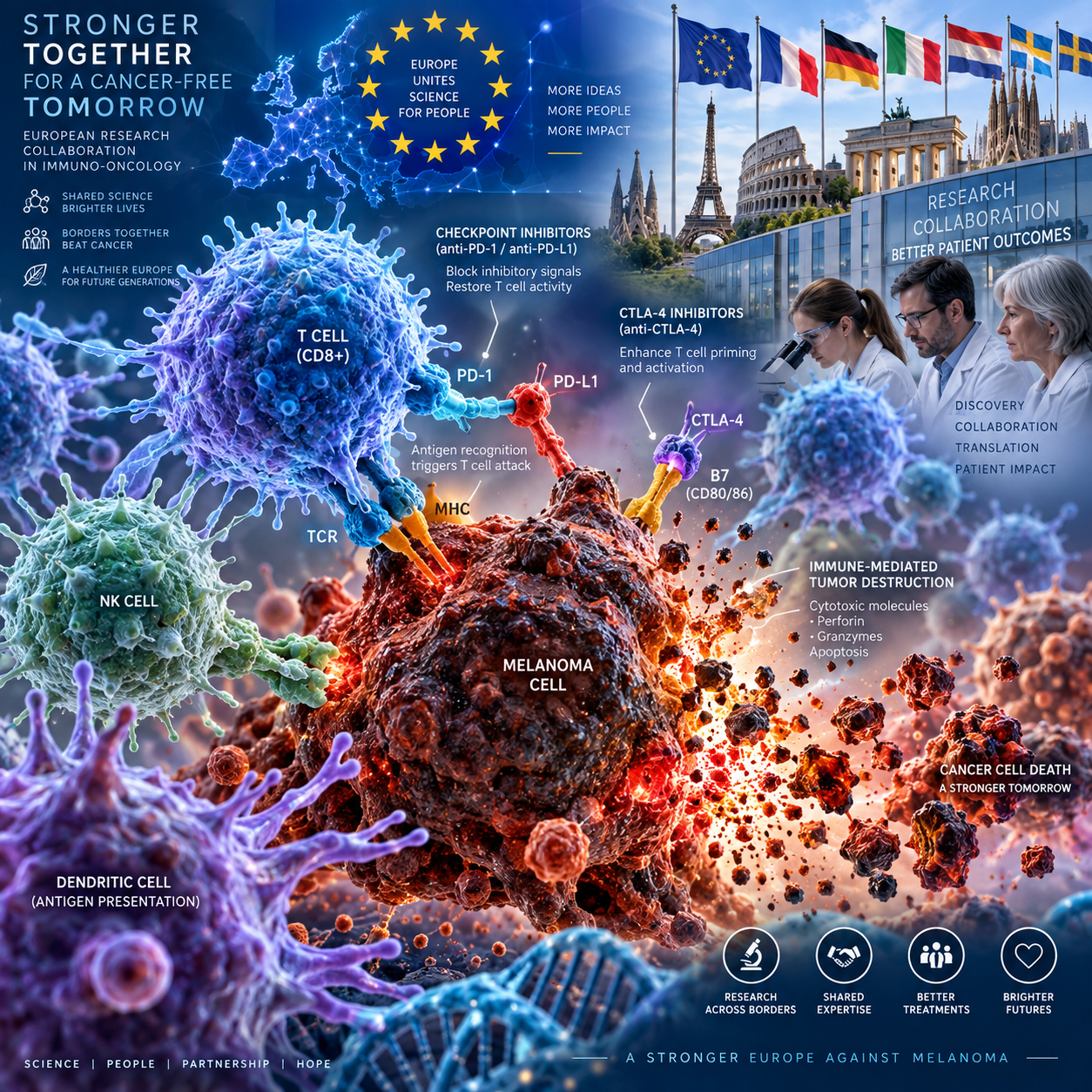
Immunotherapy has changed the outlook for many people with advanced melanoma by helping the immune system recognise and attack cancer. The field has moved from broad immune stimulation toward carefully designed combinations, biomarker-guided decisions and treatment strategies that account for both tumour biology and patient wellbeing.
Some advances are now part of established melanoma care, while others remain investigational. Understanding that distinction matters: a promising laboratory result or early clinical trial does not automatically become a proven treatment. Research groups, including European collaborative networks such as the European Organisation for Research and Treatment of Cancer (EORTC), continue to test which approaches provide durable benefit with acceptable toxicity.
Why immunotherapy transformed melanoma treatment
Immunotherapy transformed melanoma treatment by producing long-lasting responses in some patients with advanced disease. It works by restoring or strengthening immune activity against melanoma cells, rather than attacking the tumour through cytotoxic treatment alone.
Melanoma is closely linked to the immune system. Ultraviolet radiation can create numerous DNA changes, and some of these mutations produce abnormal proteins that immune cells may recognise as foreign. Yet melanoma can also suppress immune responses. It may reduce the visibility of tumour antigens, release immunosuppressive signals and recruit cells that weaken T-cell activity within the tumour microenvironment.
This interaction explains both the opportunity and the difficulty. A patient’s immune system may already have some ability to detect melanoma, but inhibitory pathways can act like biological brakes. Immunotherapy aims to remove those brakes or improve the conditions in which immune cells function.
Before modern immunotherapy, metastatic melanoma often had limited treatment options and poor long-term control. Checkpoint inhibitors changed expectations because a subset of patients experienced responses that continued after treatment had ended. That durability is a major scientific breakthrough, although it should not be confused with a guarantee of cure. Some tumours never respond, and others return after an initial benefit.
Immune checkpoint inhibitors: the foundation of modern treatment
Immune checkpoint inhibitors target regulatory pathways such as PD-1 and CTLA-4 to restore anti-tumour T-cell activity. Single-agent treatment generally prioritises tolerability, whereas combination therapy may increase immune activation and toxicity.
PD-1 is a receptor found on activated T cells. When it binds with PD-L1 or PD-L2, signalling can reduce T-cell function. Drugs that inhibit PD-1, including pembrolizumab and nivolumab, can help T cells remain active in the presence of melanoma. In clinical practice, PD-1 blockade is an important treatment platform for several stages and settings of melanoma, depending on tumour features, disease extent and regional approvals.
CTLA-4 acts earlier in the process of T-cell activation. Ipilimumab blocks CTLA-4 and can broaden immune activation, but its effects may also produce more frequent or severe immune-related adverse events than PD-1 treatment alone. Combination regimens use complementary mechanisms: CTLA-4 inhibition may expand the immune response, while PD-1 inhibition may sustain activity in the tumour microenvironment.
The central trade-off is straightforward. More immune activation can mean greater treatment toxicity. Side effects may affect the skin, bowel, liver, lungs, endocrine organs or other tissues when the immune system attacks healthy cells. Prompt assessment is essential because corticosteroids or other immune-suppressing treatment may be needed, and some complications can persist after therapy.
Research has also shown the value of immunotherapy before surgery in selected resectable melanoma settings. Neoadjuvant treatment gives investigators an opportunity to observe how a tumour responds while it remains available for biological analysis. However, treatment timing and regimen choice remain specialist decisions rather than universal rules.
New targets and combination strategies
New melanoma research combines checkpoint inhibition with additional immune targets, targeted therapy or other treatments to overcome incomplete responses. The objective is to increase the number of durable responses without creating unacceptable toxicity.
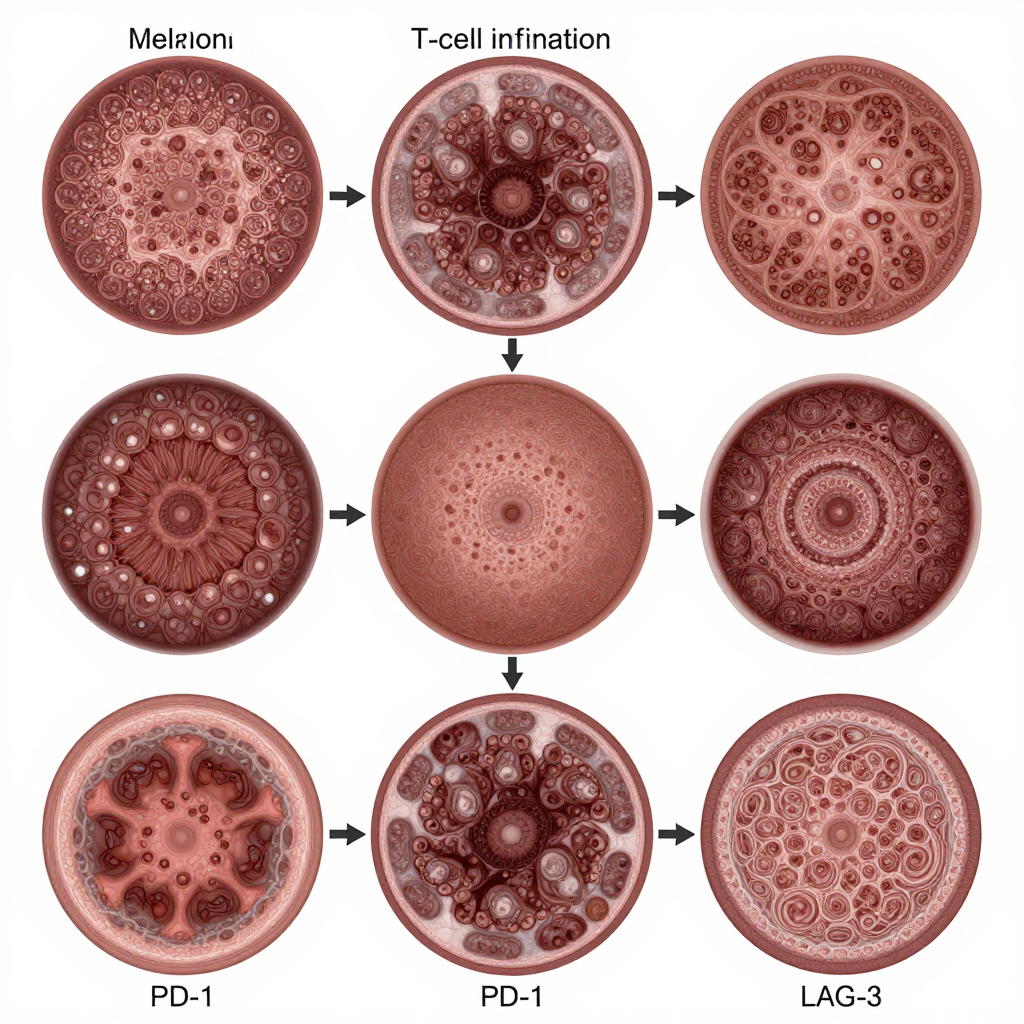
LAG-3 is one important emerging checkpoint. It is an inhibitory receptor associated with T-cell exhaustion and can operate alongside PD-1. The rationale for dual blockade is that suppressing two related immune brakes may reactivate T cells more effectively than targeting either pathway alone. Some LAG-3-directed approaches have progressed beyond laboratory research, but their role depends on the specific evidence, approval status and treatment setting.
Other strategies under study include combinations with:
- Targeted therapy directed at altered signalling pathways, such as BRAF and MEK inhibition in tumours with relevant BRAF changes.
- Radiotherapy, which may damage tumour cells and release signals that support immune recognition.
- Oncolytic viruses designed to infect tumour cells and stimulate local immune activity.
- Adoptive cell therapies, including tumour-infiltrating lymphocytes expanded outside the body.
- Vaccines and personalised neoantigen approaches intended to focus immune responses on tumour-specific targets.
Combinations are biologically appealing, but they are not automatically better. Combining treatments can increase overlapping side effects, complicate treatment sequencing and make it harder to identify which component produced benefit. The most useful trials therefore measure more than tumour shrinkage: they assess quality of life, time to treatment failure, immune complications and outcomes after subsequent therapy.
Biomarkers and personalised immunotherapy
Biomarkers may help predict who is likely to benefit from immunotherapy, but no single test reliably explains every melanoma response. Personalised medicine combines tumour characteristics, immune features and patient factors to support a more informed treatment choice.
Researchers examine tumour mutation patterns, neoantigens, PD-L1 expression, immune-cell infiltration, gene-expression signatures and circulating markers. Tumour mutational burden can provide useful biological context, but it is an imperfect predictor in melanoma. A tumour may contain many mutations yet remain resistant if immune cells cannot enter it or if several suppressive mechanisms operate at once.
The tumour microenvironment is therefore central. Investigators study whether CD8-positive T cells reach the tumour, whether regulatory cells or suppressive myeloid cells dominate, and whether blood vessels and connective tissue create barriers to immune access. Serial biopsies and blood samples can show how these features change during treatment.
Patient factors also matter. Previous therapies, autoimmune disease, organ function, age, performance status and personal priorities influence the risk-benefit assessment. A biomarker should guide a conversation, not replace clinical judgement. Tests can be technically difficult, results may vary between laboratories and a negative marker does not always mean immunotherapy cannot work.
Overcoming resistance and treatment challenges
Resistance to immunotherapy can be present from the start or develop after an initial response. Research addresses resistance by studying tumour evolution, immune escape, treatment sequencing and the balance between cancer control and quality of life.
Primary and acquired resistance
Primary resistance may result from weak antigen presentation, defective interferon signalling, an immune-excluded tumour microenvironment or insufficient T-cell activity. Acquired resistance can emerge when melanoma cells evolve under treatment pressure, lose recognised antigens or activate alternative immunosuppressive pathways.
Researchers are testing whether adding another checkpoint inhibitor, changing treatment class, using targeted therapy or applying a local treatment can restore immune sensitivity. These strategies remain highly dependent on clinical context. A trial result in previously untreated metastatic disease may not apply to a patient who has already received several therapies.
Managing immune-related adverse events
Immune-related adverse events can affect nearly any organ. Diarrhoea may indicate immune-mediated colitis; persistent cough can require evaluation for pneumonitis; abnormal liver tests may signal hepatitis; fatigue or temperature intolerance can reflect endocrine inflammation. Symptoms should be reported promptly to the oncology team.
Another challenge is sequencing. Starting with combination immunotherapy may offer a greater chance of response for some patients but carries more toxicity. A less intensive approach may preserve quality of life and leave additional options available. Decisions should consider disease tempo, symptoms, comorbidities, patient preferences and the availability of specialist monitoring.
The role of clinical trials and European collaboration
Clinical trials establish whether an immunotherapy breakthrough is safe, effective and useful in routine melanoma care. European collaboration strengthens this process by bringing together patients, academic centres, statisticians, translational researchers and multidisciplinary oncology teams.
Investigator-led studies can ask focused questions that may not fit commercial development programmes, such as optimal treatment duration, neoadjuvant strategies, treatment de-escalation or the best sequence after resistance. International networks increase recruitment and help researchers study uncommon tumour features across different healthcare systems.
The EORTC contributes to collaborative cancer research through multinational studies and disease-focused scientific programmes. Its work sits within a wider ecosystem that includes national research organisations, academic hospitals, patient advocates and regulatory authorities. Results must still be interpreted carefully: a phase 1 study mainly evaluates safety and dosing, while later-phase randomised trials provide stronger evidence about comparative benefit.
Patients considering a trial should ask:
- What question is the study designed to answer?
- Is the treatment experimental, approved, or being used in a new setting?
- What standard-care alternatives are available?
- Which visits, scans, biopsies and side-effect monitoring are required?
- What happens if the treatment does not work or the trial closes?
Reliable information may come from the treating oncology team, national cancer research portals, hospital trial offices and registries such as ClinicalTrials.gov. Trial participation requires informed consent and is never a substitute for discussing standard treatment options.
What the future may hold
The future of melanoma immunotherapy is likely to focus on earlier treatment, adaptive strategies, better biomarkers and more selective combinations. The aim is to improve outcomes while reducing unnecessary exposure to toxicity.
Neoadjuvant immunotherapy may become increasingly important because treatment response before surgery can reveal tumour sensitivity and provide biological material for research. Adaptive treatment could use imaging, circulating tumour DNA, immune measurements and response depth to adjust therapy rather than applying one fixed schedule to every patient.
Novel combinations will need sharper patient selection. A treatment that helps an immune-inflamed tumour may be ineffective in an immune-excluded tumour, where improving immune-cell access is the first challenge. Personalised vaccines, cellular therapies and microbiome research may add further layers, although many of these approaches remain under investigation.
The most credible progress will come from trials that compare strategies directly, report long-term outcomes and include patient-reported quality-of-life measures. Melanoma care is becoming more precise, but uncertainty remains part of the conversation. Patients and clinicians need evidence that explains both who benefits and who faces avoidable harm.
Frequently asked questions
What is immunotherapy in melanoma treatment?
Immunotherapy is treatment that helps the immune system recognise or attack melanoma. Checkpoint inhibitors remove inhibitory signals from T cells, while other approaches aim to stimulate, redirect or expand anti-tumour immune cells.
Which checkpoint inhibitors are used in melanoma research?
PD-1 inhibitors such as pembrolizumab and nivolumab, and the CTLA-4 inhibitor ipilimumab, are central to melanoma treatment and research. LAG-3 inhibition and other checkpoint targets are being evaluated in specific clinical settings.
Why do some melanomas resist immunotherapy?
Resistance may reflect poor antigen presentation, limited T-cell entry, an immunosuppressive tumour microenvironment, tumour evolution or activation of alternative immune pathways. Resistance can be present before treatment or develop after an initial response.
How are biomarkers used to personalise treatment?
Biomarkers describe tumour mutations, immune-cell activity, gene-expression patterns or circulating signals that may inform treatment selection. They support clinical judgement, but current tests cannot predict every response with certainty.
How can patients learn about melanoma clinical trials?
Patients can ask their oncology team, contact specialist cancer centres or search reputable trial registries. Eligibility, location, timing and previous treatment requirements vary, so a trial should be considered alongside standard-care options.