Latest EORTC Clinical Trials for Melanoma: Research Areas and How to Check Trial Status

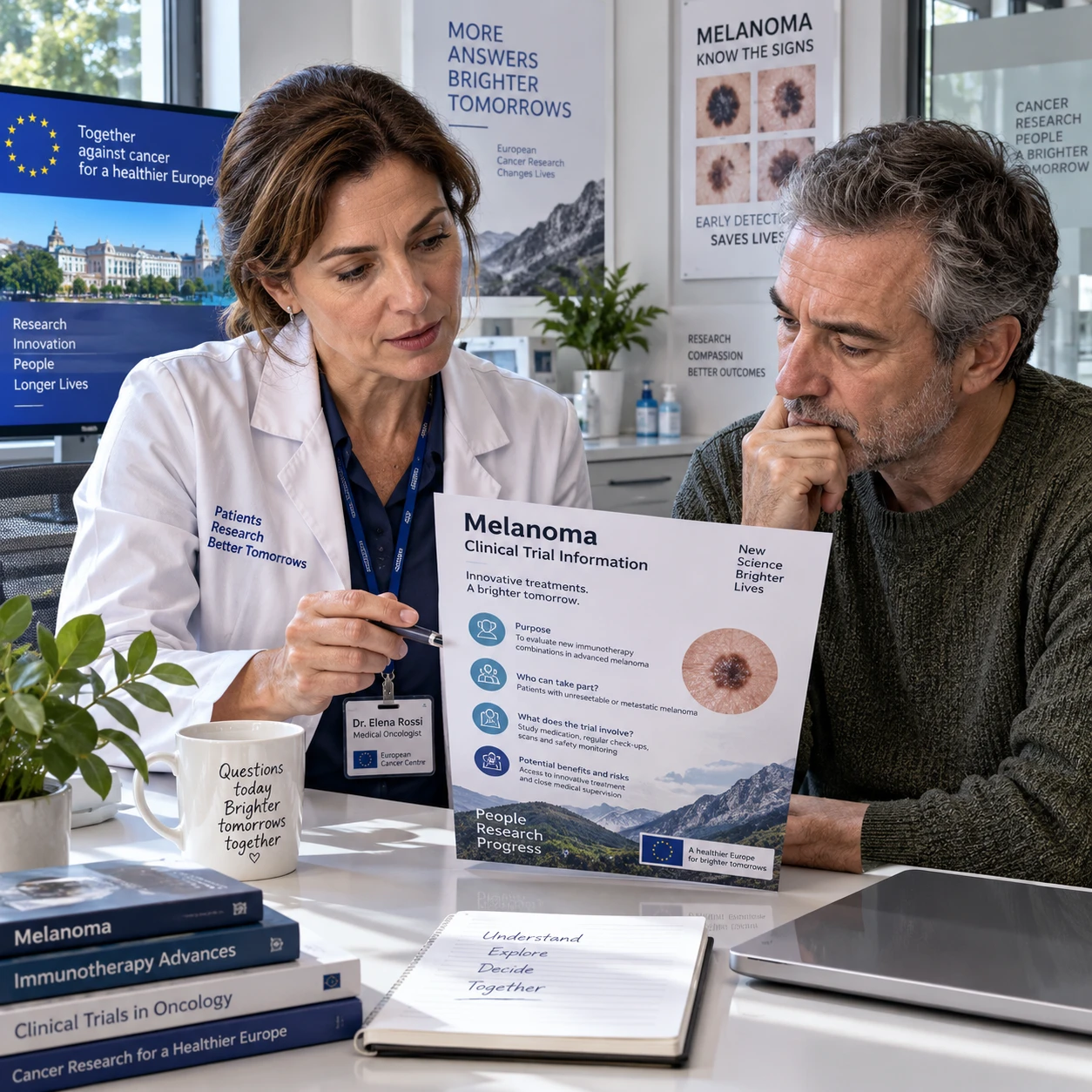
Finding the latest European Organisation for Research and Treatment of Cancer (EORTC) clinical trials for melanoma takes more than a search result or an old study announcement. Trial recruitment, locations, and eligibility can change, so the most reliable approach is to use official trial records and confirm details with the study team.
EORTC is an international cancer research organisation that coordinates clinical studies across Europe and beyond. Its melanoma research can examine different disease stages and treatment questions. A trial listing is research information, however, not a recommendation that an investigational treatment is right for any individual.
What EORTC melanoma trials investigate
EORTC melanoma trials investigate how to improve cancer care through carefully designed clinical studies. Depending on the study, researchers may evaluate treatment approaches, compare strategies, or collect evidence about outcomes and quality of life.
Melanoma studies can address several questions: whether a treatment works in a particular setting, how its benefits and risks compare with another approach, or how treatment can be tailored to clinical features. Some studies focus on **advanced melanoma**, while others may concern **localised melanoma** or care after a primary treatment. The exact question depends on each protocol; not every research area is represented in currently recruiting EORTC trials.
EORTC coordinates research with hospitals and investigators, while trial teams at participating sites handle local screening, consent, and care. A study may be open at one centre and unavailable at another. Its status can also change as recruitment targets are met or the research moves into follow-up.
Clinical trials follow a protocol that sets out the research question, treatment plan, assessments, and safety monitoring. Results may contribute to future evidence, but an ongoing trial has not yet established that its investigational approach is better than standard care.
Key melanoma research areas
EORTC melanoma research may span different disease settings and treatment approaches, but the topics of a particular study must be checked in its current record. The disease stage and the treatment question determine what a trial is designed to learn.
Common areas in melanoma research include **immunotherapy**, which uses or influences the immune system, and **targeted therapy**, which acts on specific molecular features of a cancer. These are broad research categories, not proof that either approach is being tested in an open EORTC study at a given time. A trial might also study treatment timing, combinations, follow-up, or outcomes that matter to patients.
Research by disease setting
- Localised melanoma: Studies may examine care around surgery or ways to reduce the chance of recurrence. The protocol defines the stage and other clinical features required.
- Advanced melanoma: Research may focus on systemic treatment, treatment sequencing, or managing disease that has spread. Eligibility often depends on prior treatment and health factors.
- Across settings: Some studies may assess supportive care, quality of life, or longer-term outcomes rather than testing a new anticancer drug.
These examples describe questions researchers may study; they are not a list of currently available EORTC trials. **A treatment’s presence in a trial does not make it established care.** Discuss any proposed change to treatment with the oncology team, which can explain the current standard options and how a study compares with them.
How to find current EORTC melanoma trials
To find current EORTC melanoma trials, search EORTC’s official clinical-trial information and verify each study’s status, locations, and contact details. Treat a record as a starting point, then confirm its current availability with the listed site or study team.
Begin at the EORTC website and look for its clinical trials information or trial-search tool. Search using terms such as melanoma, then review individual records rather than relying on a general results page. If the EORTC record provides a trial identifier or links to another registry, use those details to check for matching information.
For each potential match, check:
- Recruitment status: Is the study recruiting, not yet recruiting, active but closed to recruitment, completed, or otherwise listed?
- Location: Which countries and hospitals are named? A study may be open at only some participating centres.
- Study purpose and design: What question is being asked, and what treatments or comparisons are described?
- Last update and contacts: When was the information reviewed, and who can confirm the local status?
Search engines, news stories, and older publications can help identify a study, but they may reflect an earlier stage of recruitment. If the official record is unclear or appears out of date, contact the named site or ask an oncologist to help interpret it. Do not assume a trial is available just because it appears in a search.
Understanding eligibility and participation
Eligibility for a melanoma clinical trial depends on the study protocol and a screening assessment by the research team. Meeting one listed condition does not guarantee enrolment, and the criteria differ from trial to trial.
Protocols may specify the type and stage of melanoma, previous treatments, measurable disease, age range, general health, or laboratory results. They may also set rules for other medical conditions, medicines, or prior participation in research. These requirements help researchers define the group being studied and protect participant safety; they can also mean that a promising-sounding study is not a suitable option for a particular person.
If a trial seems relevant, share its identifier or official record with the treating oncology team. Ask whether the study is recruiting at a nearby centre and whether the team can review the main eligibility criteria. Only the trial staff can determine eligibility after checking medical records and, where needed, conducting screening tests.
Before joining, participants receive information about the study and have the opportunity to ask questions. **Informed consent** means agreeing voluntarily after understanding the study’s purpose, procedures, potential risks, possible benefits, and alternatives. It is not a promise of benefit, and patients should take the time they need to decide. Participation is voluntary; ask the study team what options are available if someone later chooses to stop.
What to check before considering a trial
Before considering an EORTC melanoma trial, review its purpose, treatment plan, practical demands, possible risks, and consent materials with the study team and oncology team. This helps distinguish the research question from the care decisions that still need to be made.
Use these questions to guide a discussion:
- Purpose: What is the trial trying to find out, and why might this study fit the disease setting?
- Treatment and comparison: What treatments or procedures are involved? Is there a comparison group, and what does the protocol say about treatment allocation?
- Visits and tests: How often are appointments, scans, blood tests, or other assessments required? Consider travel, time away from work, and support needs.
- Risks and possible benefits: What side effects or other burdens are known or uncertain? What standard-care alternatives are available?
- Consent and contacts: Who can answer questions during the study, and what information is provided about privacy, costs, and withdrawal?
Do not stop, delay, or change prescribed melanoma treatment based only on a trial listing. A study may involve extra visits or procedures, and the potential benefit may be uncertain. The research team can explain the protocol, while the treating oncologist can help put it in the context of the patient’s overall care.
Interpreting “latest” trial information
“Latest” EORTC melanoma trial information means the most recently verified record available, not a guarantee that recruitment is open today. Study details can change between registry updates, so confirm the current status directly before making plans.
Look for an update date, recruiting locations, and a working contact. If the record lists a study as recruiting, ask the site whether it is still screening participants and whether enrolment is open at that centre. If the listing says recruitment has ended, the study might still be active for follow-up, but it may no longer accept new participants.
Keep three questions separate: Is the trial scientifically relevant to the melanoma question? Is it currently open at a site the patient can reach? Does the person meet the protocol’s criteria? A “yes” to one does not answer the others. Trial records describe research; they do not replace medical advice or guarantee access to a treatment.
Frequently asked questions
How can I check whether an EORTC melanoma trial is recruiting? Search the official EORTC trial information, review the status and locations, and contact the named site to confirm that screening is currently open.
Who can take part in a melanoma clinical trial? Eligibility varies by protocol. The study team reviews diagnosis, disease setting, previous treatment, health factors, and other criteria before deciding whether someone can enrol.
Does joining a trial replace standard melanoma care? Not automatically. A trial has a defined treatment plan, and its relationship to standard care depends on the protocol. Discuss treatment choices with the oncology team before making a decision.
Where can I ask about a specific EORTC trial? Use the contact information in the current official trial record or ask the treating oncologist to contact the relevant research site. Confirm the study identifier so everyone is discussing the same trial.